
Equine embryo production.
Connected to European veterinary clinics.
In Vitro BE is an equine ICSI laboratory in Lummen, Belgium. We receive oocytes collected through Ovum Pick-Up (OPU) at partner veterinary centers, then perform oocyte maturation, ICSI and embryo culture under controlled laboratory conditions.
Breeders can arrange OPU at designated centers, while veterinarians can contact our laboratory to discuss oocyte reception, preparation and shipment protocols.

Services
ICSI embryo production and oocyte reception for partner veterinary clinics.
View moreAbout Us
A pioneering track record, built with responsibility towards the horse.
View morePublications
Protocols built on ongoing research and collaboration with veterinarians and scientific institutions.
View moreFollow In Vitro BE on Instagram
Our History
In Vitro Equinos was founded in 2005 as In Vitro Brasil Clonagem Animal S.A., with a clear purpose: to bring to equine reproduction the same scientific foundation already applied in assisted reproductive technologies for other species.
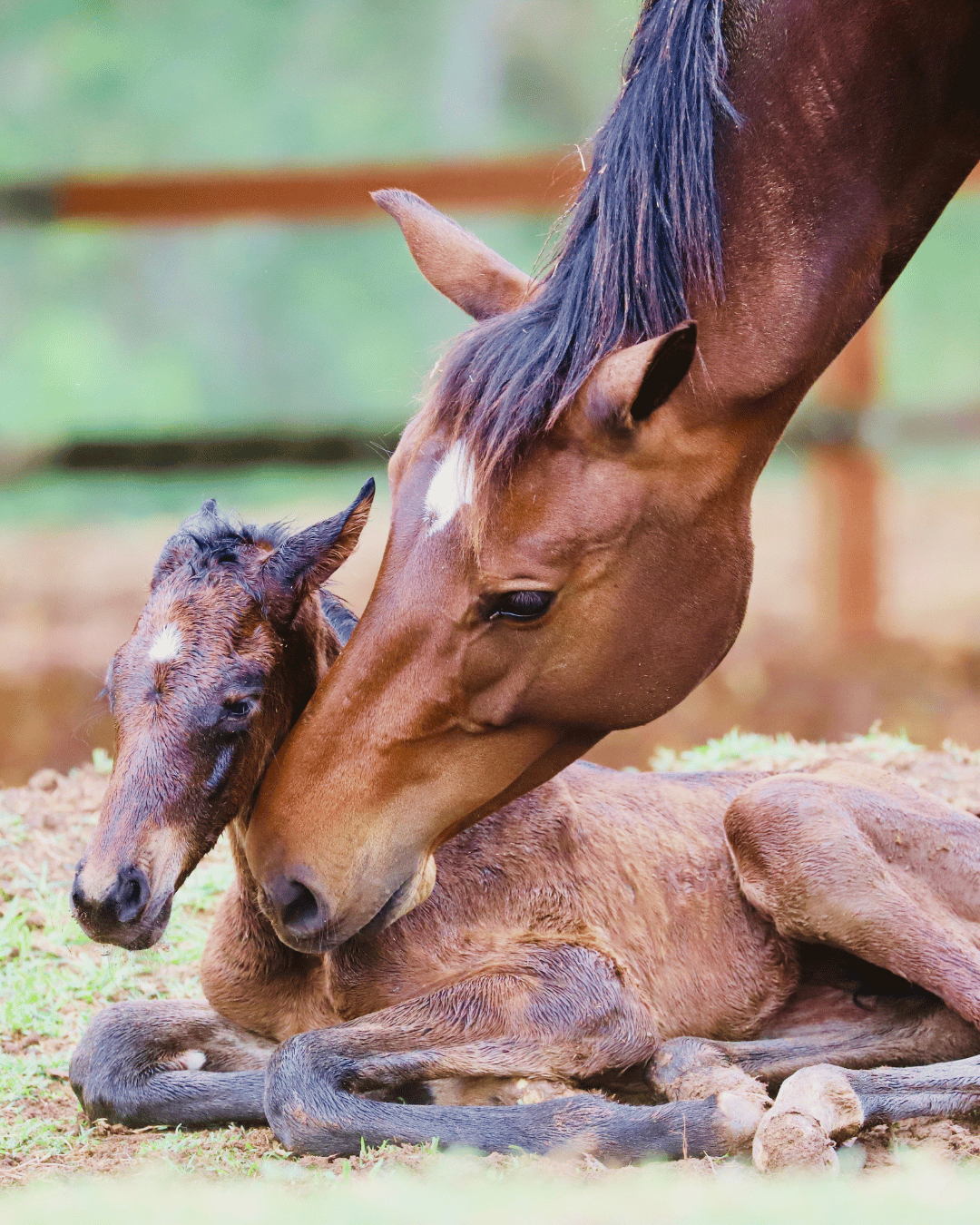
In 2012, the team reached a milestone that would reshape equine reproduction in Brazil: the birth of Everlasting Tammy, the country's first filly produced by ICSI. The result paved the way for the commercial use of the technique in equine embryo production.
Since then, research, protocol development and collaboration with veterinarians and scientific institutions have remained at the heart of the company's evolution. Today, as the Reproduction & Fertility division of Equine Care Group, In Vitro Equinos brings this scientific foundation to breeding programmes across the Americas, Europe and the Middle East.
ICSI reaches commercial scale
The technique moves beyond the experimental stage and becomes part of In Vitro's routine equine embryo production.
Expanding the international network
Reliance In Vitro is established in the United States, offering OPU, ICSI, semen sexing and embryo biopsy. The same year, a strategic partnership with Qatar Foundation extends In Vitro's expertise in equine assisted reproduction to the Middle East.




Equine Care Group and In Vitro BE
In Vitro Equinos becomes part of Equine Care Group as its Reproduction & Fertility division, strengthening the group’s expertise in equine reproductive biotechnology.
Pioneering with
responsibility
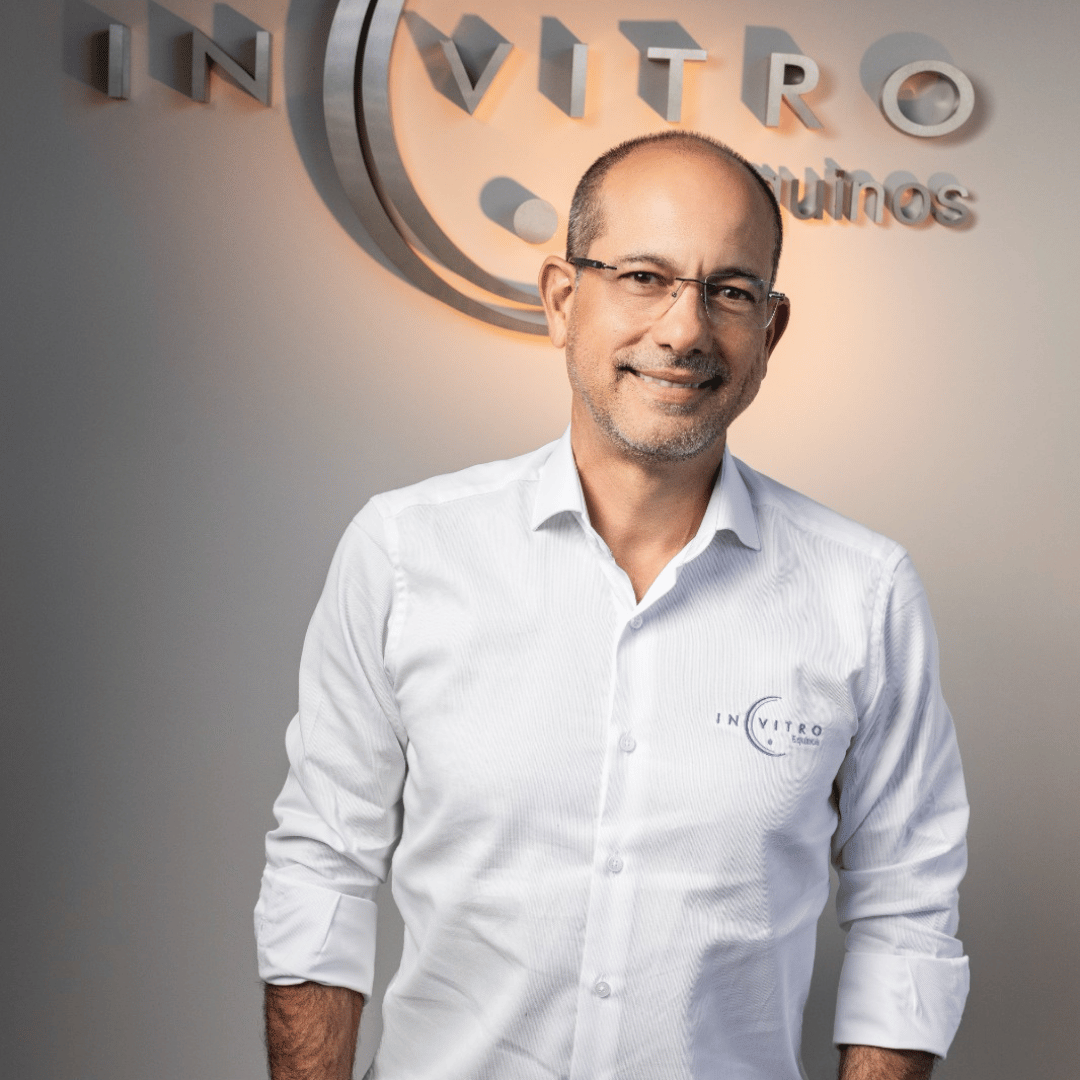
Our Leadership



Structure and technology
Behind every breeding programme we support is a laboratory dedicated to equine reproductive biotechnology, where production, research and innovation work together.
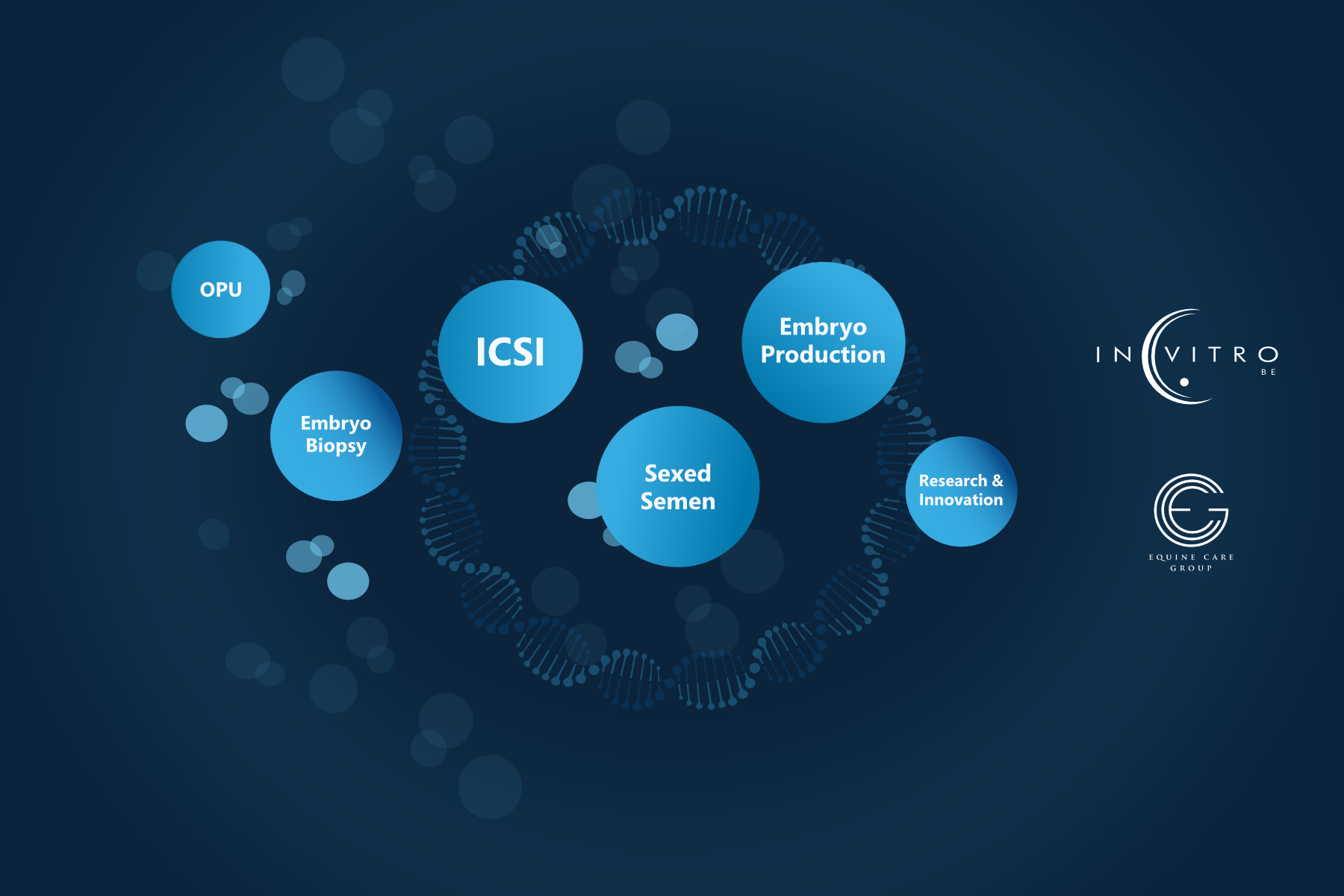
Our laboratories cover every stage of in vitro embryo production, from oocyte reception and processing to ICSI, culture, vitrification and preparation of embryos for transfer. All procedures follow standardised protocols and control of laboratory conditions, ensuring precision and consistency.
The structure also features a laboratory specialised in semen sexing, expanding the possibilities for reproductive planning and genetic selection.
In addition to production, In Vitro maintains a dedicated Research and Development (R&D) area, where new techniques, protocols, and technologies are evaluated and improved. This integration between laboratory, field, and research allows scientific knowledge to be transformed into practical applications for equine reproduction.
With laboratories and teams in different regions of the world, In Vitro Equinos works to maintain the same technical and operational standards on every site, connecting local experience, scientific knowledge, and a global vision of equine reproduction.
What drives us
Animal welfare
The comfort and health of the mares come first at each stage, with careful veterinary management to minimise stress and avoid unnecessary intervention.
Responsible use of technology
OPU, ICSI, embryo biopsy and semen sexing are recommended case by case, based on the animal, the breeding objective and the available scientific evidence. Biotechnology serves the breeding programme, not the other way around.
Genetic responsibility
Our techniques support reproductive planning and the use of valuable bloodlines, while respecting each animal's biological limits and the long-term genetic diversity of breeding populations.
Scientific integrity
Our protocols are science-based and continuously reviewed together with veterinarians, universities and research centres. Where evidence is limited, we say so.
Traceability and quality
Oocytes and embryos are identified and documented at every stage, following standardised laboratory procedures that ensure traceability and quality control.
Transparency
We communicate clearly about procedures, expected outcomes and the limits of each case. Reproductive technology cannot eliminate biological variability, and both veterinarian and breeder know this from the start.
Responsible innovation
New technologies enter our routine only when they have a clear practical purpose, proven technical reliability and alignment with animal welfare.
Professional responsibility
We work alongside breeders, veterinarians and researchers across our international network, applying the same principles at every site and respecting local veterinary regulations.
From partner clinics
to equine embryos.
Our laboratory receives oocytes from veterinary centers for ICSI embryo production. OPU is performed at designated collection centers, not on farms. Discuss collection arrangements and shipping requirements with our team.
Explore the techniques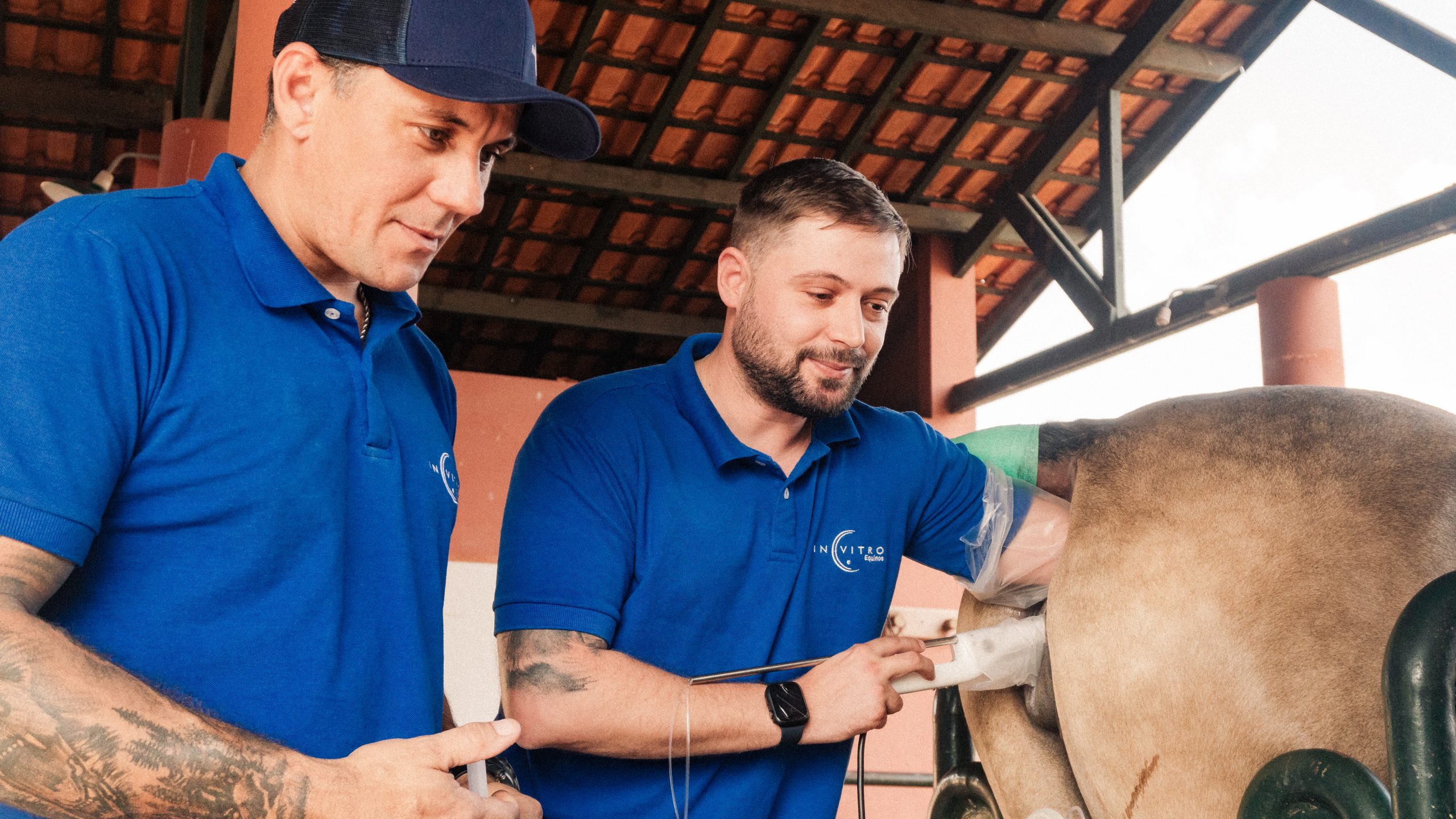
Oocyte collection at designated centers
OPU is performed at veterinary centers, not at clients’ farms.
Ovum Pick-Up (OPU) uses ultrasound-guided transvaginal follicular aspiration to recover oocytes from a donor mare. Collection is arranged at designated centers linked to Equine Care Group and In Vitro BE laboratory. In Vitro BE does not offer on-farm OPU.

How it works
- Veterinary assessment
- OPU at a designated center
- Preparation and shipment
In your breeding programme
Following collection, oocytes can be prepared and shipped from the veterinary center to In Vitro BE for laboratory evaluation, maturation and ICSI.
What to plan with our team
Discuss the mare’s clinical assessment and appointment with the collecting veterinarian. Our laboratory must confirm shipment preparation, identification, transport conditions and acceptance before any oocytes are sent.
Embryo production
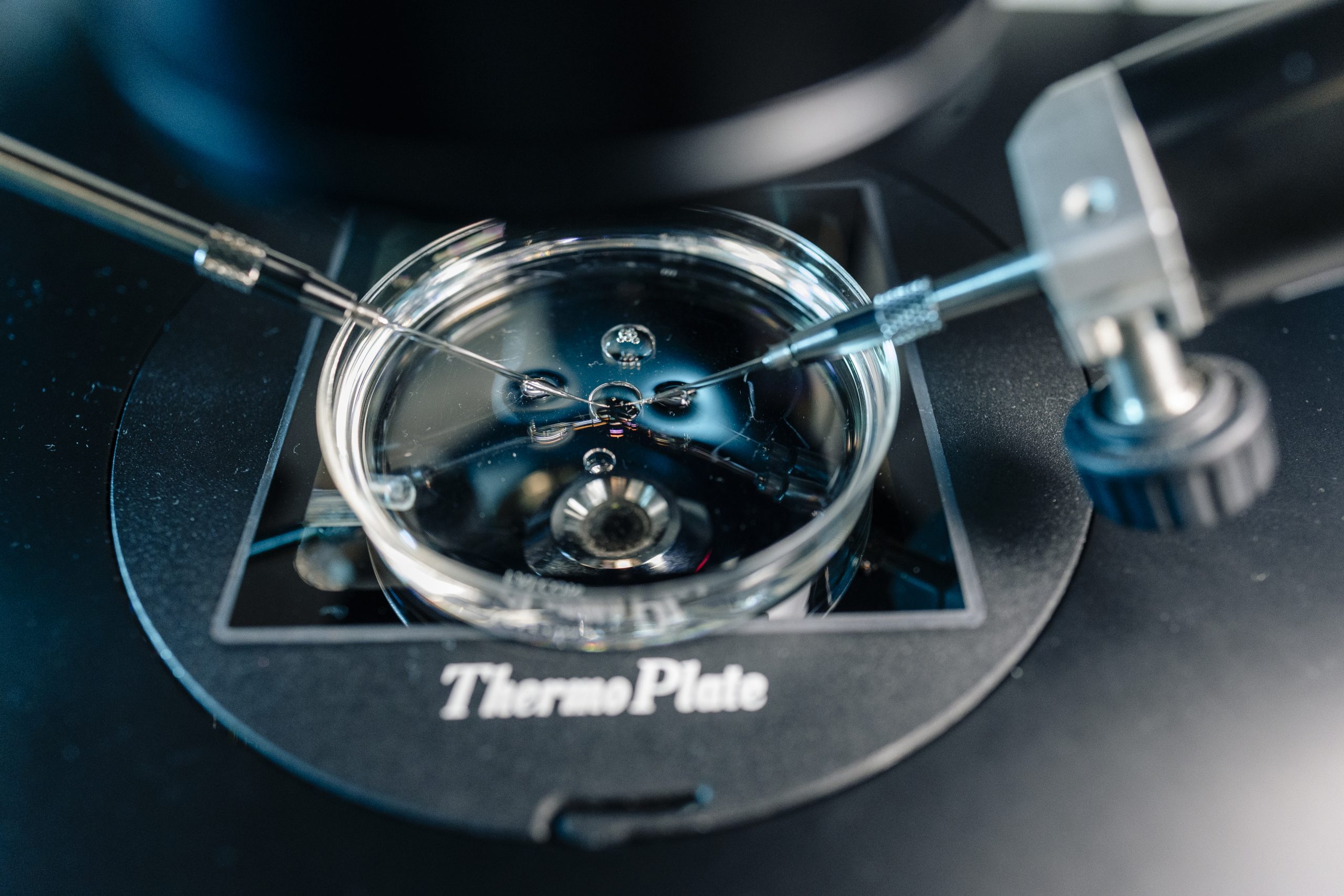
ICSI embryo production from oocytes collected at partner centers.
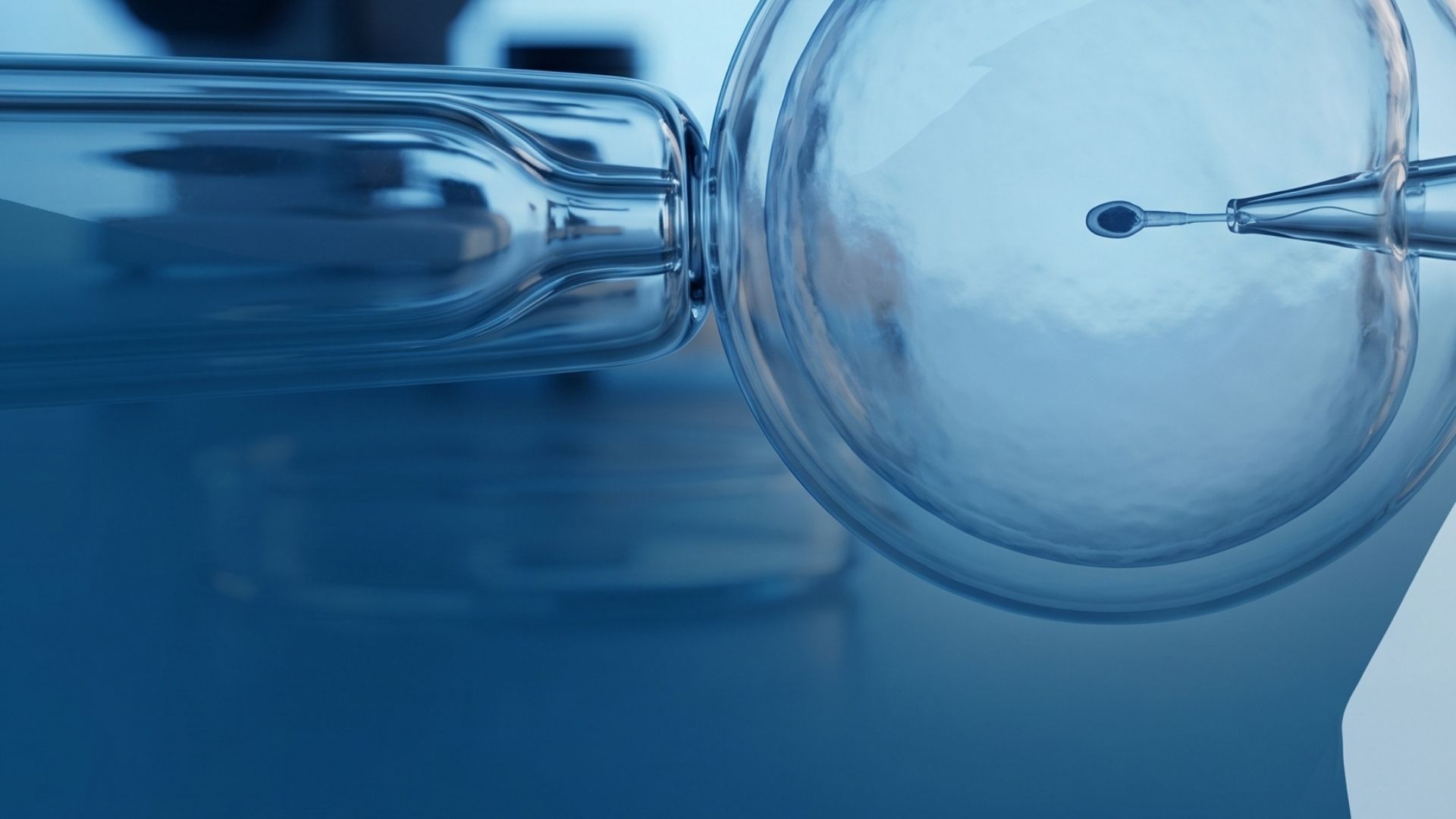
Intracytoplasmic Sperm Injection (ICSI) introduces a single selected sperm cell into the cytoplasm of a mature oocyte using precision micromanipulation equipment.
Oocytes received from partner veterinary centers are evaluated and matured in vitro. Mature oocytes undergo ICSI, followed by embryo culture and assessment. Embryos that reach the appropriate stage may be vitrified for future use.
How it works
- Oocyte maturation
- Sperm microinjection
- Embryo culture and assessment
In your breeding programme
ICSI can make use of limited quantities of semen, including frozen doses from deceased stallions or stallions with restricted availability. It may also be considered for competing mares and selected reproductive difficulties.
What to plan with our team
Semen quality and availability, donor mare factors and the number of suitable oocytes all influence embryo production. Not every recovered oocyte matures or develops into an embryo. Partner clinics must coordinate shipping procedures with the laboratory.
Semen sexing
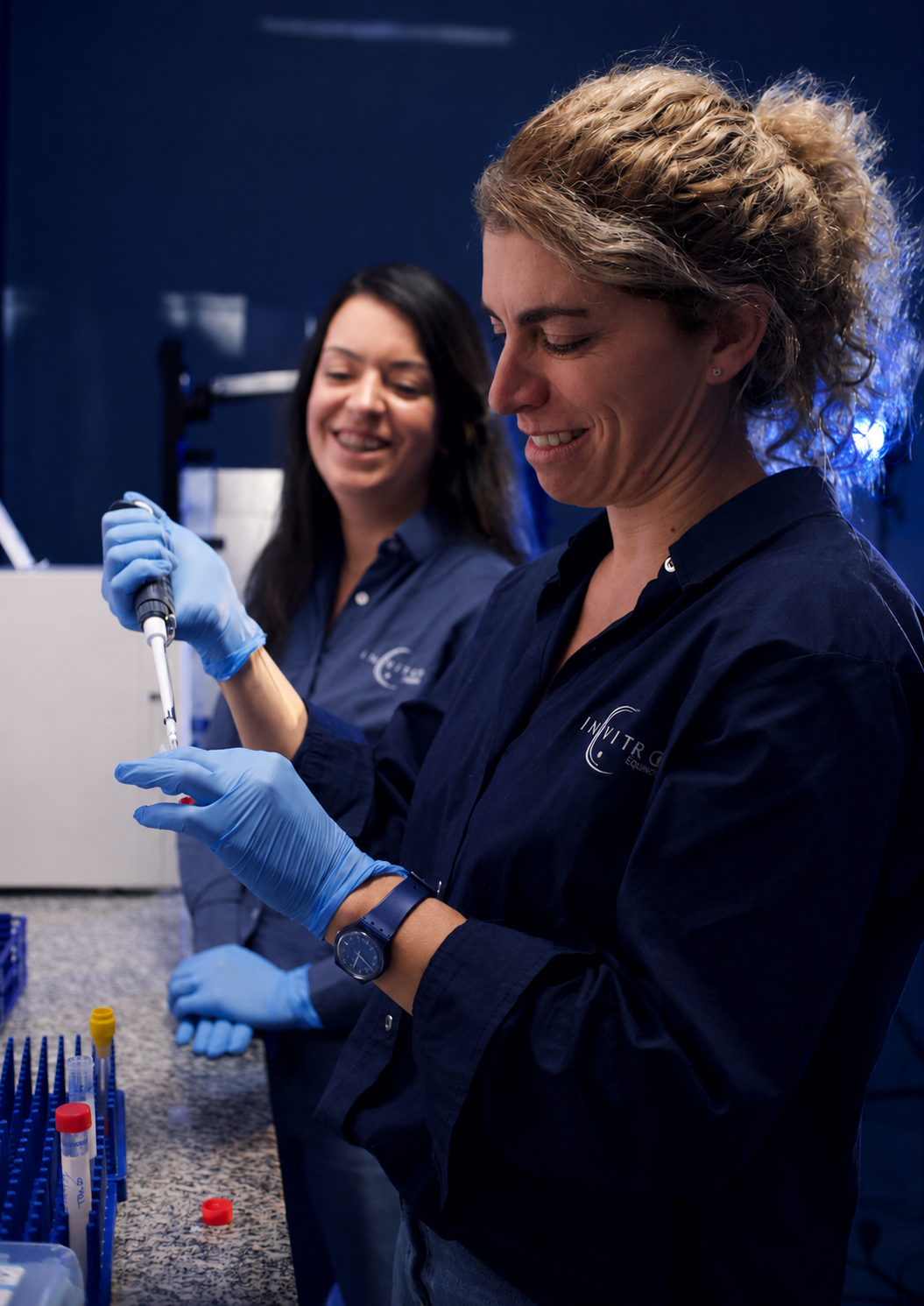
A reproductive option subject to local service confirmation.
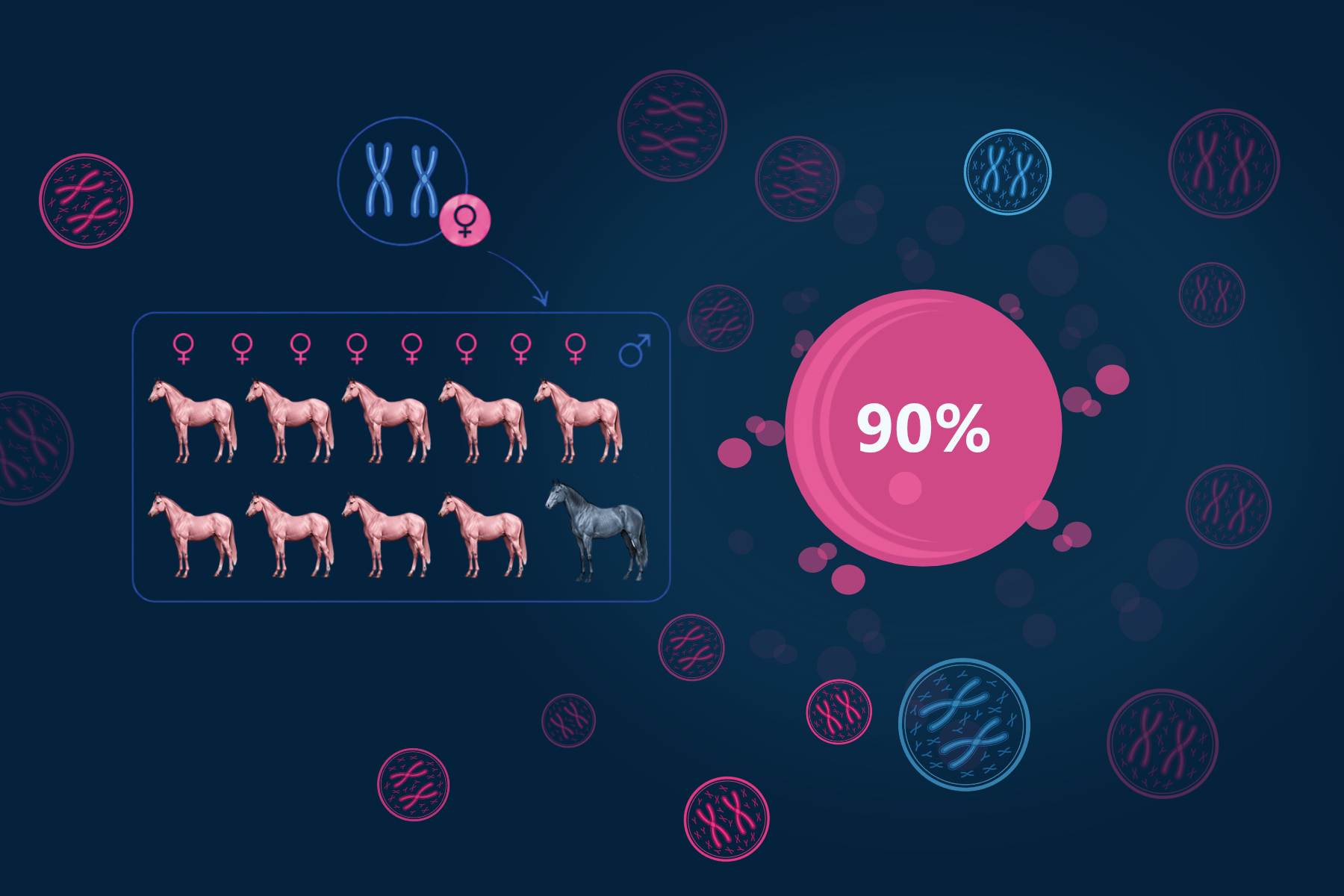
Semen sexing separates sperm carrying X or Y chromosomes. Depending on semen suitability and the service arrangement, sexed semen may be used with ICSI.
Please confirm availability for the Belgian operation before planning treatment.
How it works
- Objective definition
- Assessment of available semen
- Use of sexed semen in ICSI
In your breeding programme
This decision is made before embryo production, according to the breeding objective. Suitability depends on the material available and the team’s assessment.
What to plan with our team
Ask our team whether semen sexing is currently available for your selected stallion and breeding program. The technique does not guarantee the desired sex.
Embryo biopsy
Genetic sex determination on suitable embryos, subject to availability.
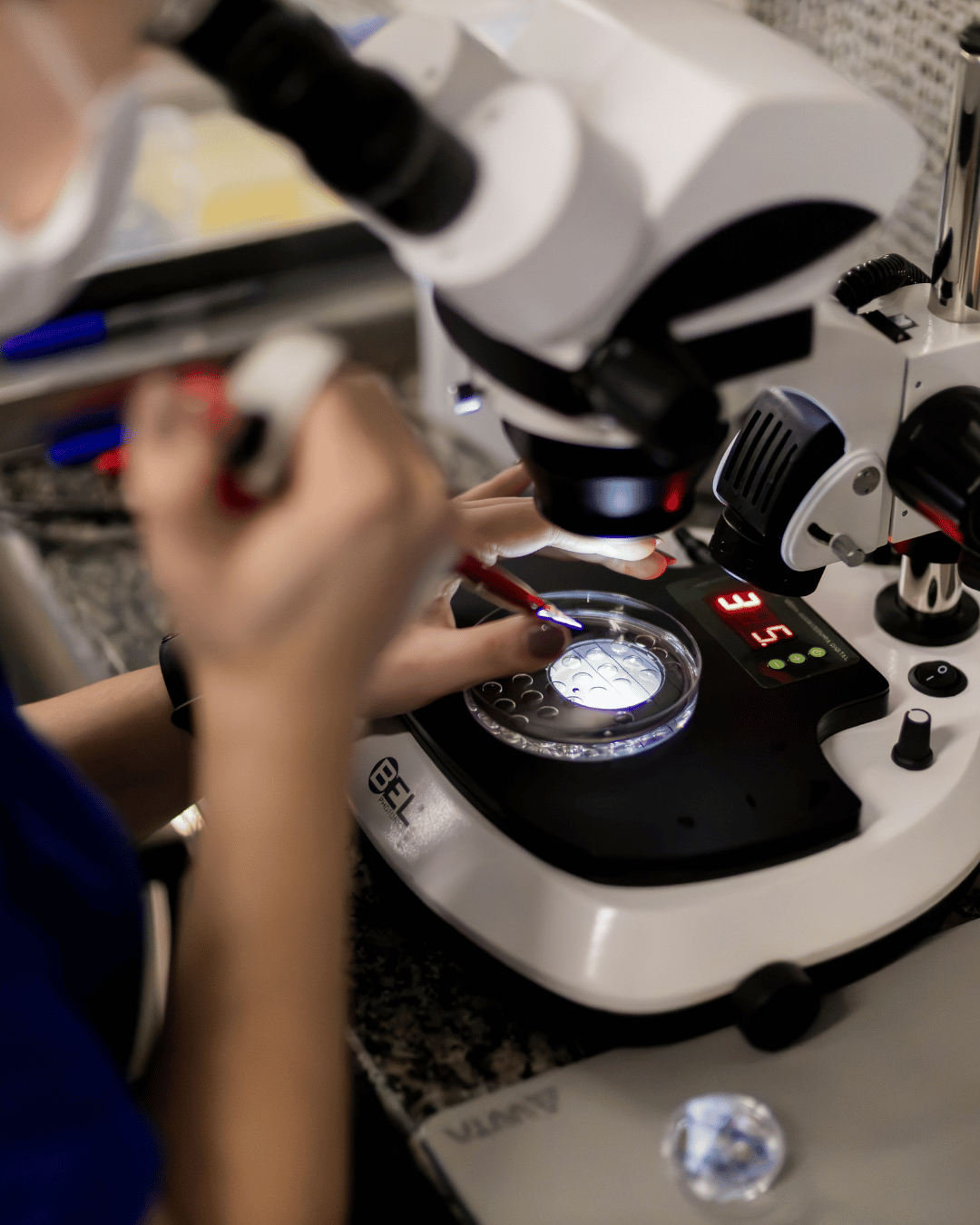
Embryo biopsy involves sampling a small number of cells from a developed embryo for laboratory analysis. Sex determination can help inform embryo selection and recipient mare planning. Confirm the availability and scope of this service in Belgium.
How it works
- Embryo assessment
- Cell sampling and analysis
- Result for planning
In your breeding programme
Biopsy is performed on an embryo that has already developed. Sex information can then be incorporated into recipient mare planning and selection of embryos for transfer.
What to plan with our team
Check embryo suitability, reporting time, and the agreed storage and transport pathway. Sex determination is not a comprehensive evaluation of genetic health.
Plan oocyte collection
and laboratory ICSI.
For breeders: ask where OPU can be arranged. For veterinary clinics: request the oocyte reception and shipment protocol before sending samples. Our team will clarify the scope, documentation and available arrangements.
Talk to our teamKnowledge & Professional Development

InSight
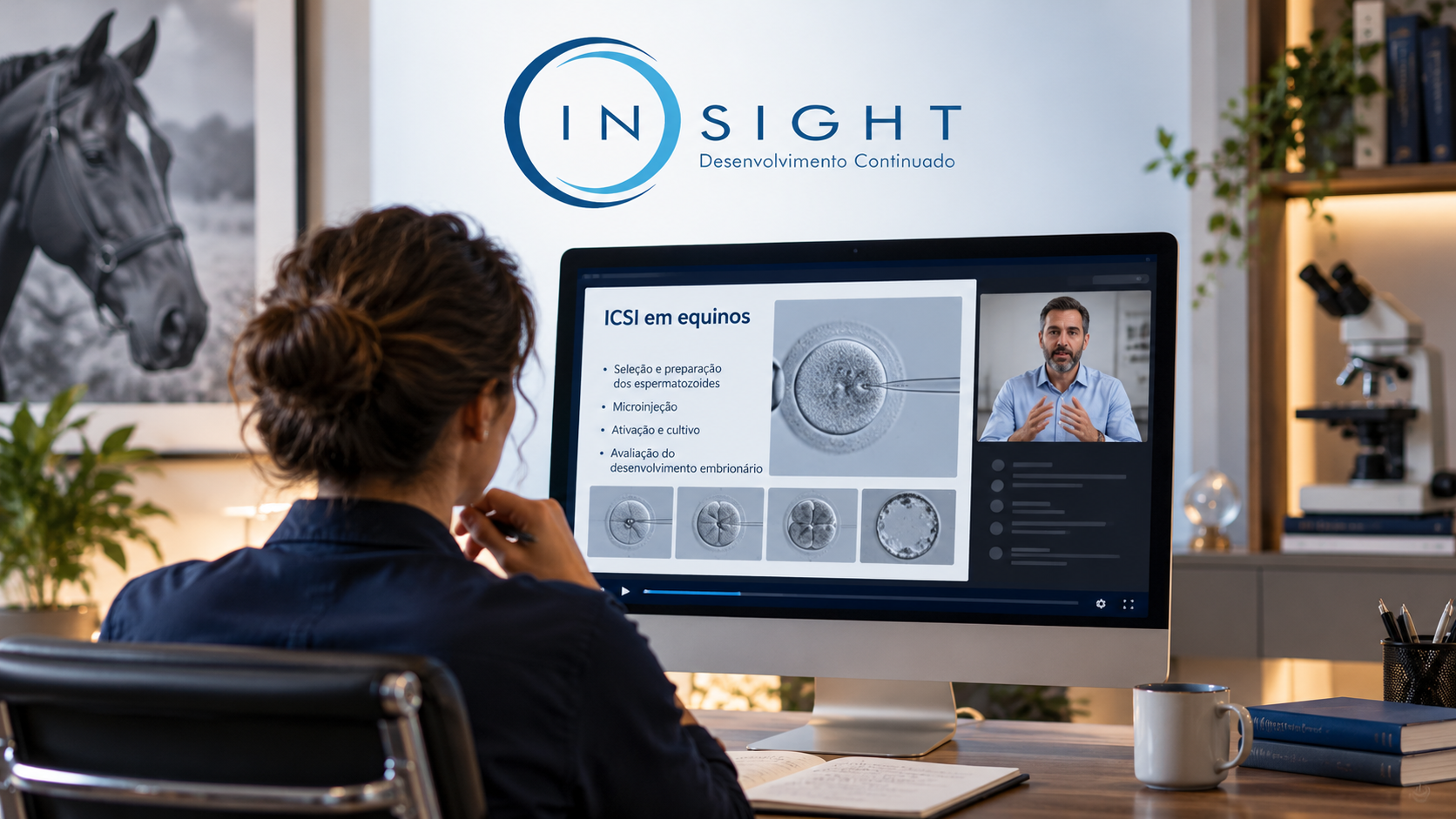
An internal immersion programme in equine reproductive biotechnology: small groups, in-depth theory and extensive hands-on laboratory practice.
Mentorship Programme
Through our international group and network of laboratories, we offer an individual mentorship programme designed to develop and strengthen the technical skills of professionals working with OPU and embryo transfer (ET). The programme combines hands-on training, practical experience and direct guidance from experienced professionals across our network.
Publications
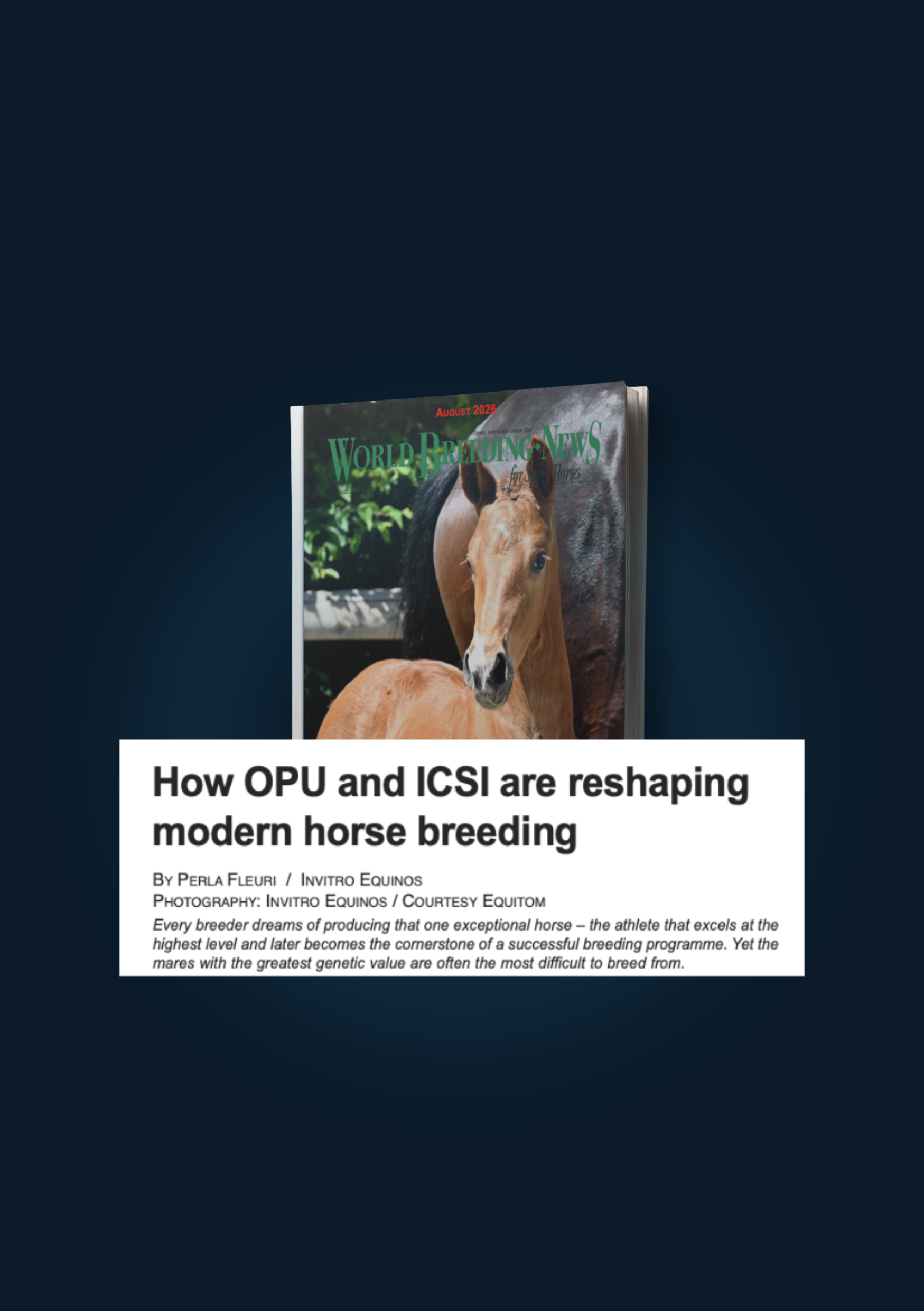
How OPU and ICSI are reshaping modern horse breeding
Our practical perspective on the impact of OPU and ICSI on horse breeding: how reproductive biotechnology has moved from a last resort for difficult cases to a genetic planning tool for high-level breeding programmes.
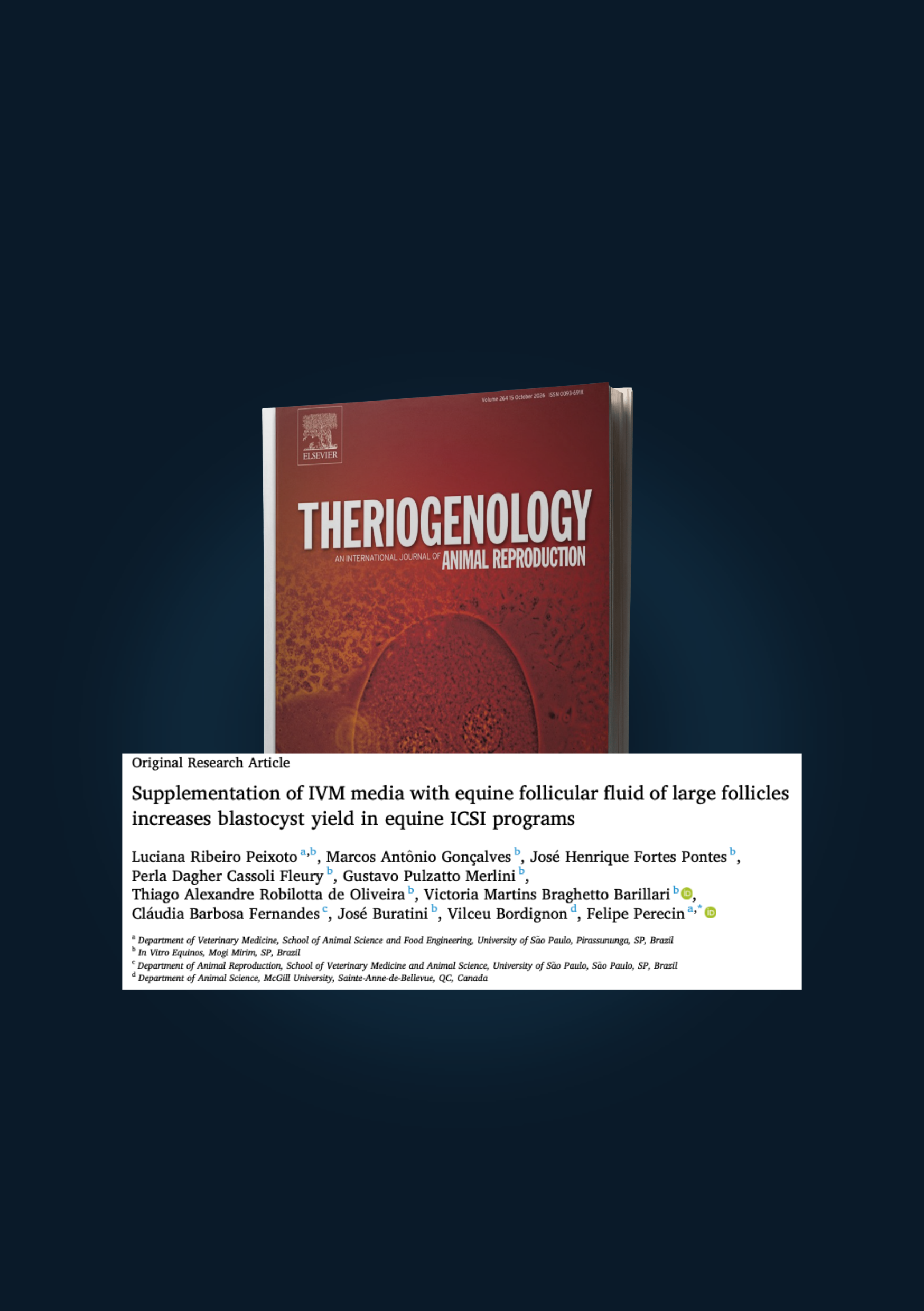
Follicular fluid makes a difference
Our study, published in August 2026, showed that supplementing maturation medium with follicular fluid from large follicles (20–30 mm) increased blastocyst production in ICSI programmes, indicating that embryo development depends on biological conditions that synthetic media struggle to reproduce on their own.
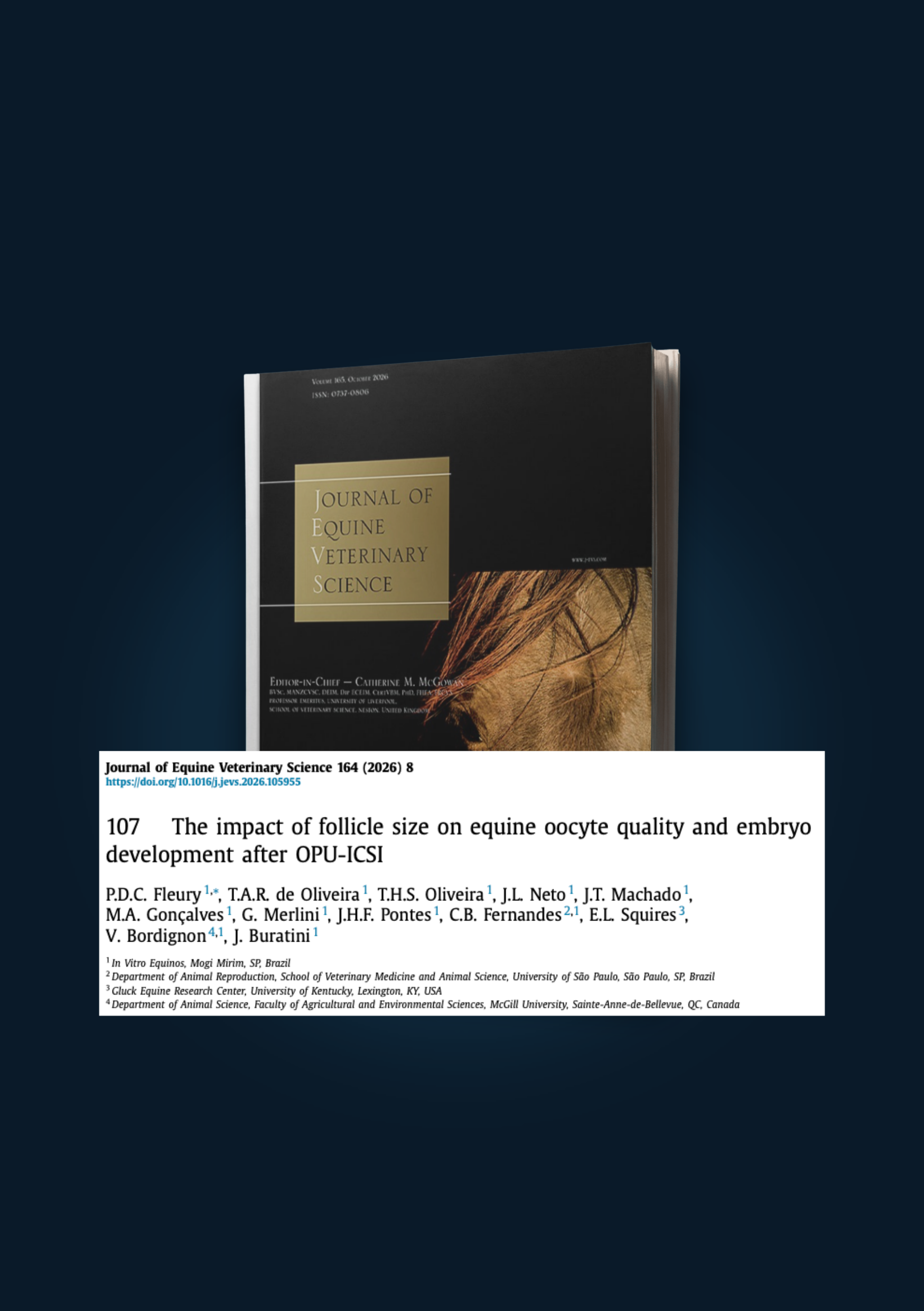
Follicle size matters
Published in 2026, this study of 28 mares compared oocyte efficiency by follicle diameter. Oocytes from larger follicles (≥ 10 mm) yielded 38.5% embryos per injected oocyte, versus 20.3% for smaller ones (< 10 mm), evidence that oocyte competence is partly determined before the oocyte reaches the laboratory.